
Feeling constantly drained, struggling to stay motivated, or noticing changes in strength and focus can be frustrating, especially when those symptoms seem to build gradually over time. Many men dismiss these changes as a normal part of aging, stress, or a busy schedule, but hormone levels may also play a role.
At Rejuvenate Wellness Center, men in Olympia, WA, exploring Testosterone Replacement Therapy are often seeking real answers about energy, mood, metabolism, and overall well-being. Low testosterone, commonly called Low T, is more common than many people realize, yet it is still widely misunderstood.
What is Low T, and how do you know if you have it?
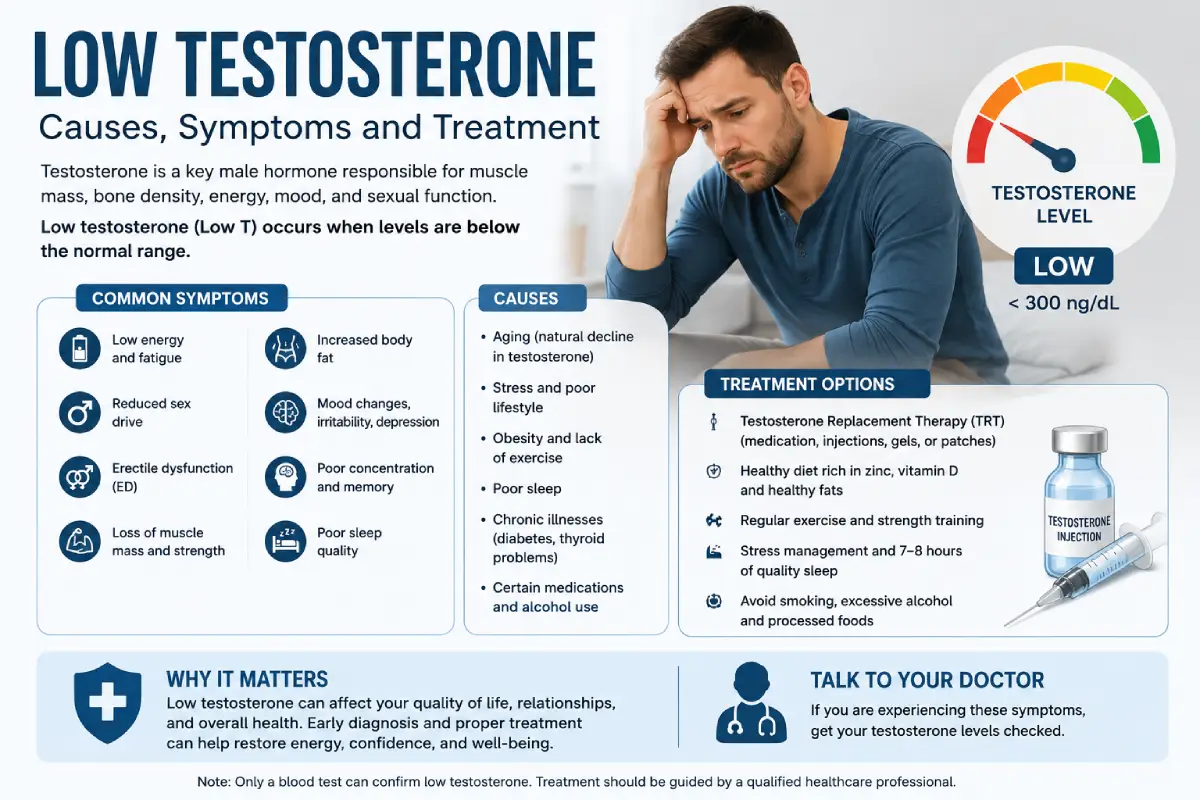
Low testosterone happens when the body does not produce enough testosterone to support normal physical, mental, and sexual health. Symptoms may include fatigue, low libido, reduced muscle mass, mood changes, and difficulty concentrating. Diagnosis typically involves symptom evaluation and hormone lab testing.
Understanding Low Testosterone and Why It Matters
The hormone testosterone, primarily produced in the testes, is crucial for several bodily processes. Muscle mass, bone density, energy levels, mood, sexual health, metabolism, and cognitive function are all supported.
Although testosterone levels normally fluctuate with age, some men perceive a more pronounced reduction that has an impact on their day-to-day quality of life. Physical performance, motivation, sleep, relationships, and mental clarity can all be negatively impacted when hormone levels deviate from a healthy range. Many men might not immediately associate these symptoms with a hormone imbalance because they frequently appear gradually. Rather, they can believe that they are just coping with stress alone, aging more quickly than anticipated, or simply burned out.
What Causes Low Testosterone?
Low testosterone can develop for several different reasons. Aging is one of the most common factors, but it is not the only cause.
Testosterone levels naturally begin declining gradually after around age 30. For some men, that decrease remains mild and manageable. Others experience more significant hormonal changes that produce noticeable symptoms.
Additional factors that may contribute to Low T include:
- Chronic stress
- Poor sleep quality
- Obesity
- Certain medications
- Diabetes or metabolic conditions
- Pituitary gland disorders
- Excessive alcohol use
- Lack of physical activity
- Chronic illness
- Previous injury or trauma
Lifestyle habits can also influence hormone production. High stress levels, poor nutrition, and inconsistent sleep may worsen an existing hormonal imbalance or make symptoms more noticeable.
Common Symptoms of Low Testosterone
The symptoms of Low T can vary from person to person. Some men notice primarily physical changes, while others experience emotional or cognitive symptoms first.
Fatigue and Reduced Energy
Persistent tiredness is one of the most common concerns associated with low testosterone. Men may feel drained even after sleeping well or notice that they no longer have the stamina they once did during workouts or daily activities.
Lower Libido and Sexual Health Changes
Testosterone plays a major role in sexual health and desire. Men with Low T may experience reduced libido, changes in sexual performance, or decreased interest in intimacy.
Loss of Muscle Mass and Strength
Testosterone helps support muscle development and physical strength. Lower levels can make it harder to maintain lean muscle even with regular exercise.
Mood Changes and Irritability
Hormonal shifts may also affect emotional well-being. Some men report mood swings, irritability, reduced confidence, or symptoms associated with low motivation.
Difficulty Focusing
Mental fog, reduced concentration, and slower cognitive processing are additional symptoms some men notice when testosterone levels decline.
Increased Body Fat
Low testosterone may contribute to metabolic changes that make weight management more difficult, especially around the abdomen.
Why Low T Symptoms Are Often Misunderstood
One reason Low T is frequently overlooked is that many of its symptoms overlap with those of other conditions or lifestyle factors. Stress, poor sleep, anxiety, aging, and burnout can all produce similar effects.
For instance, a man who experiences chronic weariness might think he just needs more sleep or coffee. A person who experiences mood swings might completely blame work-related stress. Hormone imbalance may also be involved, even though those things can undoubtedly play a role. This is why proper medical evaluation matters. Self-diagnosing based on symptoms alone is not enough to determine whether testosterone levels are actually low.
How Low Testosterone Is Diagnosed
Diagnosing Low T involves more than just one blood test. Providers usually evaluate both symptoms and laboratory findings together before recommending treatment.
Comprehensive Hormone Testing
Bloodwork is used to measure testosterone levels and assess overall hormone balance. Testing is often performed in the morning when testosterone levels are naturally highest.
In addition to total testosterone, providers may review:
- Free testosterone
- Estradiol
- Thyroid function
- PSA levels
- Blood cell counts
- Additional hormone markers
Comprehensive testing helps providers identify whether symptoms are truly linked to hormone imbalance or if another condition may be contributing.
Medical History and Symptom Review
A provider will also discuss symptoms, lifestyle habits, health history, sleep quality, medications, and overall wellness. This broader assessment helps create a more accurate picture of what may be affecting hormone health.
At Rejuvenate Wellness Center, the Male Hormone Optimization Program includes detailed hormone labs, one-on-one consultation, and ongoing medical monitoring to help guide treatment safely and appropriately.
What Is Testosterone Replacement Therapy?
Many men researching Low T eventually ask, “What is testosterone replacement therapy?”
Testosterone Replacement Therapy, commonly called TRT, is a medically supervised treatment designed to restore testosterone levels to a healthier range when deficiency is confirmed. The goal of TRT is not to create excessively high hormone levels. Instead, treatment focuses on helping patients achieve balanced hormone support while improving symptoms related to testosterone deficiency.
Treatment options may include:
- Injectable testosterone
- Topical testosterone applications
- Personalized dosing plans
- Ongoing hormone monitoring
Programs are typically adjusted based on lab results, symptoms, and patient response over time.
Take the Next Step Toward Understanding Your Hormone Health
Low testosterone can affect energy, strength, focus, mood, and overall quality of life in ways that gradually become difficult to ignore. The good news is that proper evaluation and medically supervised care may help identify whether a hormone imbalance is contributing to those symptoms.
At Rejuvenate Wellness Center, men exploring Testosterone Replacement Therapy in Olympia, WA, can receive personalized hormone testing, one-on-one consultation, and ongoing medical support tailored to their individual needs. Ready to learn more about your hormone health and treatment options? Book Now to schedule your consultation.